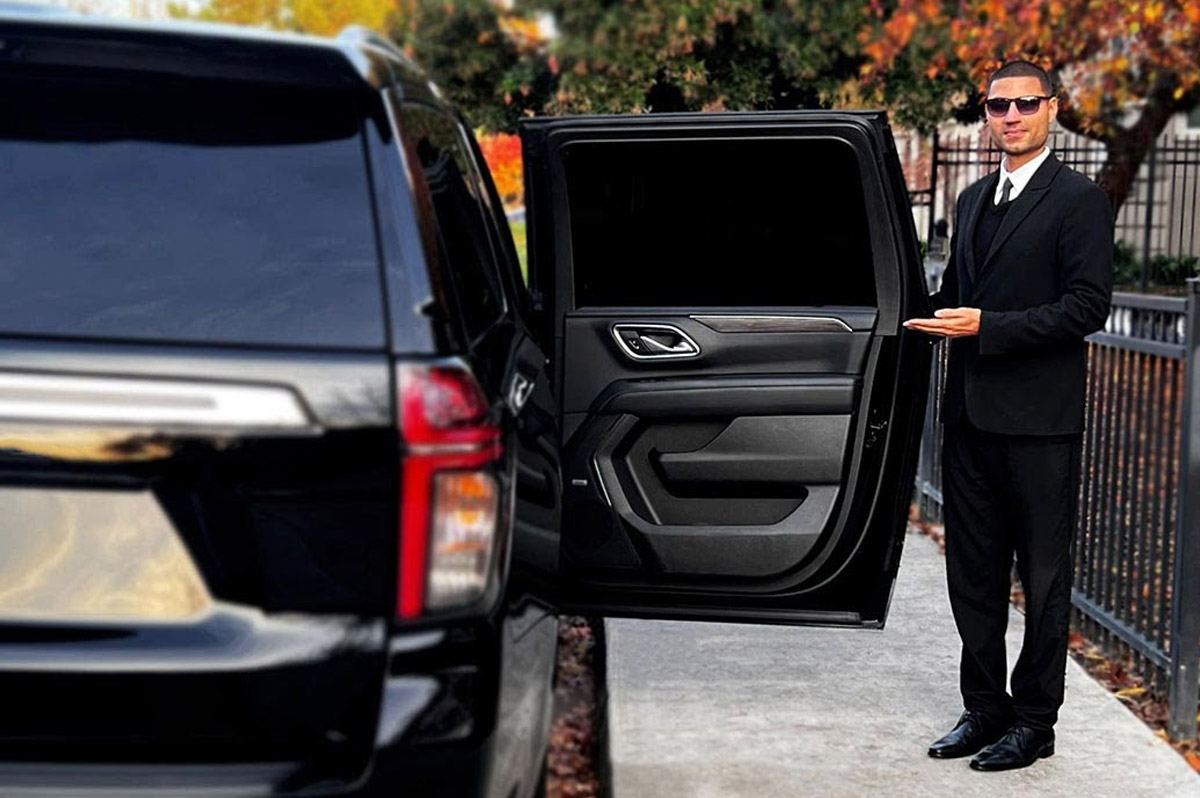
Corporate roadshows are among the most demanding business travel arrangements. Unlike standard point-to-point transportation, executive roadshows involve multiple meetings across different locations within strict schedules, requiring careful planning, reliable logistics, and professional coordination.
In a city like New York, where traffic congestion, unpredictable travel times, and complex routes can significantly impact schedules, executive roadshow transportation becomes an essential part of successful business operations.
This guide explains everything you need to know about executive roadshow transportation, including how it works, why specialized transportation matters, how routes are planned, what vehicles are commonly used, and the factors businesses should consider when arranging transportation for executives and corporate teams. For a broader look at ground transportation for business trips, see this business travel airport car service guide for corporate travelers.
Executive roadshow transportation refers to professionally managed ground transportation designed specifically for executives attending multiple business meetings, investor presentations, client visits, financial events, or corporate engagements throughout a single day or over several days. Providers typically offer this as a dedicated road show limo service rather than a series of one-off bookings.
Unlike traditional chauffeur services that typically handle one destination at a time, executive roadshows require continuous transportation with dynamic scheduling, flexible routing, and ongoing communication between chauffeurs, coordinators, and clients.
Typical executive roadshows include:
The primary objective is to ensure executives arrive safely, punctually, and with minimal travel-related disruption.
New York City is one of the busiest business hubs in the world. While its accessibility benefits corporate travel, it also introduces logistical complexities, and travelers passing through dense business corridors such as Hudson Yards car service routes often feel these challenges most directly.
Traffic patterns vary significantly throughout the day. Even short distances can require substantial travel time during peak hours.
Many executive roadshows involve meetings scheduled 30 to 60 minutes apart across Manhattan, Midtown, Downtown, Brooklyn, or neighboring boroughs.
Business priorities often change throughout the day. Meeting locations may shift, appointments may run longer than expected, or additional stops may be added.
This makes roadshow transportation NYC considerably different from standard chauffeur bookings.
Professional roadshow transportation service generally follows several coordinated stages.
Before the roadshow begins, transportation coordinators gather details including:
The itinerary becomes the foundation for transportation planning.
Drivers and dispatch teams evaluate:
Modern dispatch systems continuously monitor traffic conditions and recommend adjustments throughout the day.
Executive schedules rarely remain unchanged.
Professional roadshow transport services typically maintain communication with:
This allows transportation plans to adapt without disrupting the overall itinerary.
Unlike standard transportation that concludes after each destination, roadshow chauffeurs remain available throughout the schedule.
Executives can immediately depart for the next meeting without arranging additional transportation.
Vehicle selection depends on the size of the traveling group, comfort requirements, and meeting objectives. This guide to choosing the right vehicle for your transfer breaks down the sedan, SUV, and van comparison in more detail.
Ideal for:
Benefits include:
Suitable for:
SUVs provide additional space while maintaining executive-level presentation.
Recommended for:
These vehicles allow multiple attendees to travel together while maintaining schedules.
An executive roadshow chauffeur service involves considerably more than driving.
Professional chauffeurs are expected to:
Discretion is particularly important during executive roadshows involving confidential financial discussions or corporate negotiations.
Reliable roadshow ground transportation typically includes several operational elements.
Meeting times frequently shift.
Transportation providers often allow:
Executives generally retain the same vehicle throughout the itinerary.
Advantages include:
Dispatch teams monitor trips throughout the day and coordinate with chauffeurs when itinerary adjustments occur.
Communication often occurs through:
Many executive roadshows begin or conclude with airport transfers, including trips that route through Teterboro Airport limo service for executives arriving by private jet.
Transportation teams typically monitor:
This helps reduce unnecessary waiting and scheduling conflicts.
Businesses can improve transportation efficiency by following several planning recommendations.
New York traffic can be unpredictable.
Adding 15–30 minutes between meetings reduces the risk of delays affecting the entire itinerary.
Transportation coordinators should receive:
Comprehensive itineraries improve coordination.
Large office towers often have multiple entrances.
Providing precise pickup instructions saves valuable time.
Roadshows rarely follow the original schedule exactly.
Transportation plans should accommodate:
Technology has significantly improved roadshow transportation planning.
Common tools include:
These technologies help transportation teams make informed routing decisions throughout the day.
Many sectors depend on efficient roadshow transportation service.
These include:
Organizations conducting multiple executive meetings within limited timeframes benefit from structured transportation planning.
Several avoidable mistakes can create scheduling challenges.
Mapping applications often estimate travel under average conditions rather than peak congestion.
Allow additional travel time whenever possible.
Using different transportation providers throughout the day increases coordination complexity and may introduce delays.
A dedicated vehicle generally offers greater consistency.
Some corporate offices require:
Planning ahead minimizes delays.
Rain, snow, or major events can significantly increase travel times throughout NYC.
Monitoring forecasts allows more realistic scheduling.
When comparing roadshow transport services, businesses should consider:
Evaluating these operational factors helps organizations choose transportation that aligns with complex business travel needs.
Executive roadshow transportation is a specialized ground transportation service designed for business professionals attending multiple meetings or corporate events throughout the day while following a structured itinerary.
Roadshow transportation involves continuous availability, flexible scheduling, multiple destinations, and ongoing coordination rather than a single transfer between two locations.
For complex itineraries or large corporate events, booking several days or weeks in advance is recommended. However, some providers may accommodate shorter notice depending on availability.
Executive sedans, luxury SUVs, and executive vans are commonly selected based on passenger numbers, luggage requirements, and meeting schedules.
Yes. Professional roadshow transportation services are designed to accommodate itinerary adjustments, meeting delays, and additional stops whenever possible.
Many executive roadshows begin or end with airport transfers. Coordinated airport pickups and drop-offs are commonly integrated into the overall itinerary.
Knowledge of traffic patterns, construction zones, business districts, and alternate routes helps chauffeurs minimize delays and adapt to changing conditions.
Executive roadshows demand far more than simply arranging transportation between locations. In New York City, where traffic conditions, meeting schedules, and logistical challenges can change rapidly, careful planning and coordinated roadshow ground transportation play an important role in keeping business travel efficient.
By understanding how executive roadshow transportation works—from itinerary planning and route optimization to vehicle selection and real-time communication—organizations can better support executives during demanding schedules. For up-to-date traffic and street closure information while planning routes, travelers can also consult the NYC Department of Transportation directly. Whether coordinating investor meetings, corporate presentations, or client visits, a structured transportation strategy helps reduce travel disruptions, improve punctuality, and ensure a smoother experience throughout the day.
This article was written by the chauffeur team at NYC Airport Car Services. Our drivers cover New York City's airports and boroughs daily, giving them direct, practical knowledge of traffic bottlenecks, bridge and tunnel timing, and terminal logistics. Every point made here is grounded in real experience getting clients through the city and to their flights on time.
"Wedding Day Limo Was Incredible"
I hired a stretch limo for my wedding day, and NYC Airport Car Services delivered above and beyond. The driver arrived early, the limo was immaculate, and they even provided chilled water and soft music. Great service for a special occasion.
"Prompt, Professional, and Perfect!"
I booked NYC Airport Car Services for a ride from JFK to Midtown, and the experience was flawless. My driver was waiting with a sign, helped with bags, and the car was spotless. Totally stress-free after a long flight. Highly recommend for anyone traveling to NYC!
"Best Car Service in New York!"
We used them for a corporate event with multiple pickups across Manhattan. The cars were all top-notch, and the drivers were courteous and on time. Booking was easy, and they accommodated last-minute changes without issue.
"Reliable Airport Transfers Every Time"
As a frequent flyer, I’ve used several NYC car services, but this one stands out. Always on time, great communication, and the drivers are true professionals. I won’t use anyone else for my trips to LGA or JFK.
© 2026 NYC Airport Car Services All Rights Reserved.
Terms & Conditions